
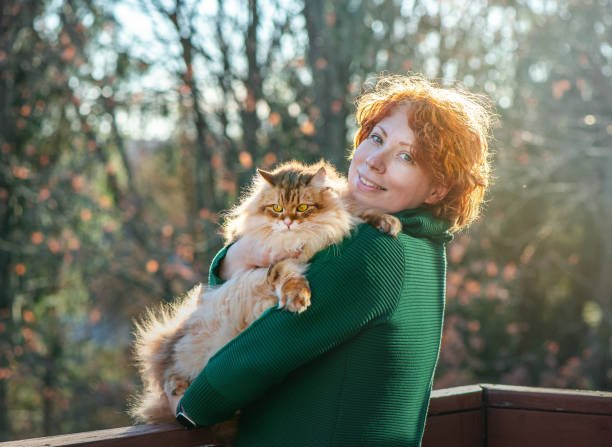
If you have spent any time scrolling through TikTok or Instagram recently, you have likely run into the chaotic energy of Nimbus—the viral Siberian cat whose high-speed “zoomies” and structural purrs earned him millions of followers. This digital-era spotlight has introduced millions of pet lovers to what enthusiasts have known for over a thousand years: the Siberian Forest Cat is one of the most mesmerizing, affectionate, and resilient felines on the planet.
Originally hailing from the sub-zero climates of Russia, this magnificent breed perfectly bridges the gap between rugged, wild aesthetics and deeply devoted companionship. Often described as a “dog in a cat suit,” the Siberian is highly sought after for its sweet disposition, striking colors, and reputation as a low-allergen option for allergy sufferers.
This definitive, SEO-driven guide breaks down everything you need to know about welcoming a Siberian cat into your home, from physical traits and genetic health to realistic cost projections.
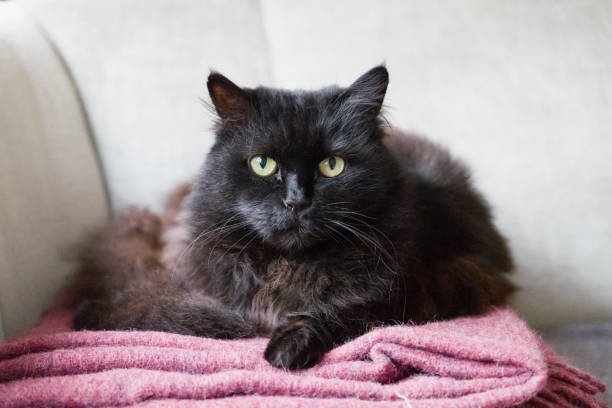
1. History and Origins of the Siberian Forest Cat
While the Siberian cat became officially recognized by global registries like the International Cat Association (TICA) and the Cat Fanciers’ Association (CFA) relatively recently, the breed itself is ancient.
Believed to have existed for at least 1,000 years in the Taiga region of Siberia, these cats were originally utilitarian. Russian families and shopkeepers prized them for their elite hunting skills, counting on them to protect grain stores from rodents. Over centuries of enduring some of the harshest winters on Earth, natural selection sculpted a sturdy, heavy-boned feline with an impenetrable coat.
Siberians did not begin leaving Russia in significant numbers until the early 1990s. Because of this late arrival on the global market, purebred Siberians remain relatively scarce outside of Eastern Europe, which directly influences their current availability and market value.
2. Physical Characteristics: The Legendary Triple Coat
The defining physical feature of the Siberian cat is its magnificent, plush fur. Unlike standard domestic cats, a Siberian wears a true triple coat, a specialized genetic defense mechanism engineered to shed snow, ice, and rain:
- Guard Hairs: The coarse, straight outer layer that provides an initial shield against moisture.
- Awn Hairs: The dense, insulating middle layer.
- Down Undercoat: A soft, woolly, trapping layer closest to the skin that seals in body heat.
Beyond their coat texture, Siberians are famous for their structural features. They boast prominent ear furnishings (tufts of fur inside the ears) and distinct lynx tips. Their paws are large, rounded, and heavily tufted between the toes to act like natural snowshoes. Around their neck sits a majestic, lion-like ruff or collar, balanced at the back by a thick, heavily plumed tail.
Siberian Cat Size and Maturity Rate
Do not expect your Siberian kitten to balloon into its final form overnight. This is a exceptionally slow-maturing breed. It can take up to 5 years for a Siberian to reach its full adult size, skeletal weight, and complete triple coat density.
- Adult Male Weight: $5.4\text{ to }8.0\text{ kg}$ ($12\text{ to }17\text{ lbs}$), with some individuals scaling larger.
- Adult Female Weight: $3.5\text{ to }6.0\text{ kg}$ ($8\text{ to }13\text{ lbs}$).
- Average Height: $23\text{ to }30\text{ cm}$ ($9\text{ to }12\text{ inches}$).
3. The Hypoallergenic Truth: Fel d 1 Protein Explained
One of the most frequent search queries surrounding this breed is: “Are Siberian cats hypoallergenic?”
To understand the answer, we must first dispel a major pet myth: cat hair itself is not what triggers human allergies. The true culprit is a microscopic protein called Fel d 1, which is produced primarily in a cat’s saliva, sebaceous (skin) glands, and perianal glands. When a cat grooms itself, this protein dries on the fur, turns into airborne dander, and sets off allergic reactions.
The Scientific Edge: Studies have revealed that Siberian cats naturally produce significantly lower levels of the Fel d 1 protein than standard domestic house cats.
While no cat is 100% hypoallergenic, many mild-to-moderate allergy sufferers report living completely symptom-free with a purebred Siberian. However, protein levels vary wildly from cat to cat. Intact males generally produce more Fel d 1 than females or neutered males. If you suffer from severe asthma or life-threatening cat allergies, it is critical to visit a breed-specific, registered cattery beforehand to test your individual reaction before signing a contract.
4. Siberian Cat Personality: The “Dog-Like” Feline
If you are looking for a distant, aloof pet that sits on a shelf and judges you, look elsewhere. The Siberian cat personality is intensely social, deeply affectionate, and highly interactive.
Social Dynamics and Companionship
Siberians form tight, loyal bonds with their human families. They are notorious “shadow cats,” meaning they will happily follow you from room to room, supervising your work meetings, cooking sessions, and laundry routines. Instead of a standard, shrill meow, they are famous for communicating via soft, melodic chirps and thrills, keeping up a quiet conversation without dominating the household volume.
High Intelligence and Playfulness
Because of their high intelligence, Siberians require plenty of mental and physical stimulation. They excel at learning tricks, can easily be trained to fetch small toys, and many respond brilliantly to clicker training or harness walking.
They also retain their playful kitten energy well into their senior years. Thanks to powerful, slightly longer hind legs, their jumping ability is legendary. A Siberian can easily clear vertical heights that would leave other cats stranded, making tall cat trees and active window perches a necessity.
The Water Obsession
Unlike 99% of felines, Siberians are strangely fascinated by water. Don’t be surprised if your kitty dips their paws directly into your bathwater, splashes around in their water bowl, or tries to join you in the shower. Their water-resistant triple coat means they don’t feel the immediate, chilling shock of getting wet like single-coated breeds do.
5. Siberian Cat vs. Maine Coon: How Do They Compare?
Because both are large, fluffy, cold-weather breeds, people frequently confuse the Siberian with the Maine Coon. While they share a rugged silhouette, they are distinct evolutionary lineages.
| Characteristic | Siberian Cat | Maine Coon |
| Origin | Russia (Taiga Forests) | United States (Maine) |
| Head Shape | Modified wedge with soft, rounded contours | Strong, square muzzle with high cheekbones |
| Eye Shape | Large, nearly round | Oval and expressive |
| Coat Type | Dense, tight, water-resistant triple coat | Shaggy, uneven, silky double coat |
| Average Weight | $3.5\text{ to }8.0\text{ kg}$ ($8\text{ to }17\text{ lbs}$) | $5.0\text{ to }11.0\text{ kg}$ ($11\text{ to }25\text{ lbs}$) |
| Allergen Level | Significantly lower Fel d 1 protein | Standard domestic feline allergen levels |
6. Complete Health and Lifespan Profile
Siberians are a naturally robust, hardy breed with an impressive average lifespan of 12 to 18 years. Because the breed developed naturally in the wild before human intervention, it suffers from fewer genetic mutations than highly engineered pedigree cats. However, responsible owners must still monitor for a few breed-specific health risks.
Hypertrophic Cardiomyopathy (HCM)
HCM is the most common form of heart disease in all felines, characterized by an abnormal thickening of the heart muscle. In Siberians, it is a known hereditary condition.
- The Fix: Never buy from a breeder who cannot provide certified, up-to-date echocardiogram clearances for both parent cats. Routine screening is the only way to catch this silent issue early.
Feline Lower Urinary Tract Disease (FLUTD)
Like many heavy-boned, large-breed cats, Siberians face an above-average risk for urinary stones, crystals, and bladder irritation.
- Prevention: Ensure your cat consumes plenty of moisture. Pair high-quality, high-protein dry kibble with daily wet food meals, and invest in a circulating pet water fountain to encourage constant hydration.
Dental Hygiene
Siberians are prone to periodontal (gum) disease if their teeth are neglected. Left unchecked, oral infections can track into the bloodstream and damage vital organs. Introduce daily or bi-weekly toothbrushing with feline-safe enzymatic toothpaste from a young age to keep tartar at bay.
7. Grooming and Coat Care Requirements
Given the shear density of the triple coat, many prospective owners worry about extreme maintenance. Surprisingly, the Siberian coat is relatively low-maintenance because the guard hairs naturally prevent severe matting.
- Routine Brushing: Brushing your cat thoroughly once or twice a week with a high-quality slicker brush and a steel comb is generally enough to remove loose dander and dead undercoat hair.
- The Bi-Annual Molt: Siberians shed heavily twice a year. In the spring, they drop their dense winter coat to prepare for summer; in the autumn, they shed their light summer covering to make room for their winter armor. During these seasonal shifts, expect to brush your cat daily to prevent massive hairballs and household shedding.
- Bathing: Thanks to their water-repellent fur, getting a Siberian wet enough to shampoo is a workout in itself. Expect it to take up to 15 minutes just to fully saturate the coat. Unless they get into something sticky or dirty, they only require a bath every 2 to 3 months.
8. Siberian Cat Price and 2026 Cost Expectations
Because purebred Siberians are rare and high-demand, buying a kitten from an ethical, registered breeder is a significant investment.
Initial Purchase Price
In 2026, the average price of a pet-quality Siberian kitten from a reputable breeder runs between $1,200 and $2,500.
If you are looking for highly coveted coat variations, expect premium pricing. The Neva Masquerade—a striking, blue-eyed colorpoint variant—frequently commands prices up to $3,500. Rarer genetic coat patterns like the vibrant silver or the warm “sunshine” golden variations can easily push the price tag toward $4,000.
First-Year Setup Costs
On top of the breeder’s sticker price, prepare an additional budget of $500 to $1,000 to handle essential first-year medical and physical setups:
- Initial core vaccine series and booster shots.
- Spay or neuter surgery contracts (standard for companion pets).
- Microchip installation.
- Heavy-duty pet gear (oversized litter boxes, sturdy scratching posts, scratching trees built for a large cat’s weight).
Ongoing Lifetime Maintenance
Because of their size and longevity, a Siberian’s lifetime care expenses will firmly reach five figures. Budget at least $100 to $250 per month to cover high-protein diets, quality litter, routine vet wellness checks, and comprehensive pet insurance policies.
9. Final Thoughts: Is a Siberian Cat Right for You?
The Siberian Forest Cat is a premium breed that rewards your emotional and financial investment tenfold. If you want an energetic, affectionate companion that loves children, gets along famously with household dogs, and brings a piece of wild history into your living room, the Siberian is tough to beat. Just make sure you have the time to dedicate to their social needs, the patience to handle their bi-annual shedding seasons, and a home ready for a high-jumping, water-loving feline companion.