
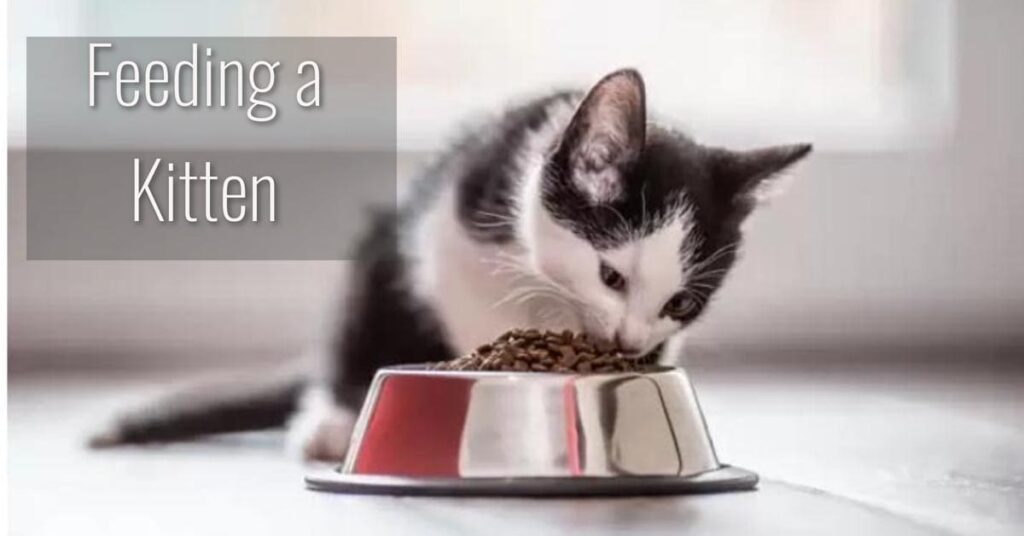
Feeding your Siberian kittens the right diet is essential for their growth, health, and development. Whether you’re working with trusted Siberian cat breeders or have recently brought home your new kitten from a Siberian forest cat breeder, understanding their dietary needs is key to ensuring they thrive. This guide provides helpful insights into what Siberian cats should eat and what they shouldn’t.
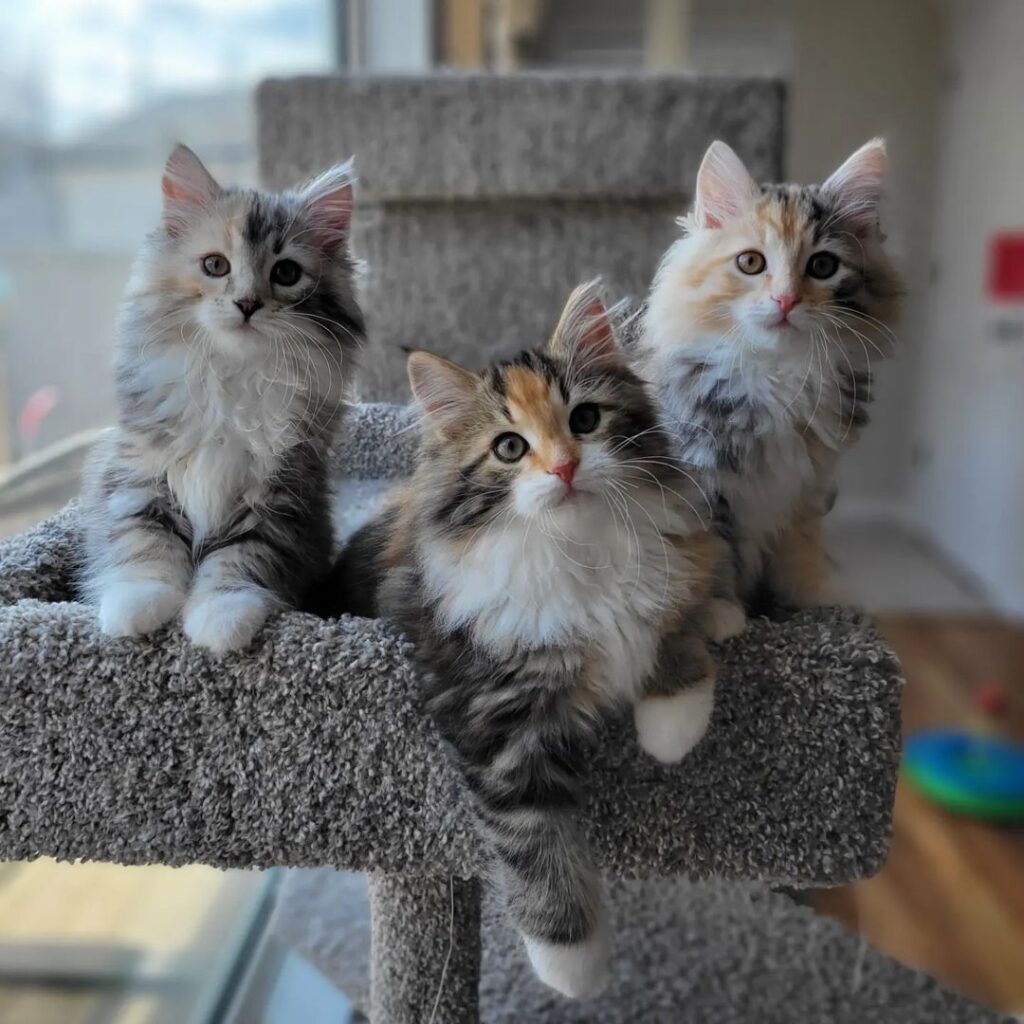
What Siberian Kittens Should Eat: Nourishing Your Siberian Kitten for Healthy Growth
1. High-Quality Kitten Food
When selecting food for your Siberian kitten, always opt for high-quality kitten food that is specifically formulated for cats. Look for labels such as “complete and balanced” to ensure the food meets the nutritional requirements for your kitten’s growth and overall health. Whether you’re purchasing from a reputable Siberian cat breeder California or a nearby pet store, a premium brand ensures the best foundation for your kitten’s nutrition.
2. Protein
Siberian kittens, like all cats, need a diet rich in protein to support their rapid growth and development. Look for kitten food that contains between 30% and 40% protein, with animal-based sources such as chicken, turkey, or fish. These proteins are vital for building strong muscles and energy reserves, which is essential for your kitten’s health as they grow.
3. Healthy Fats
Fat is another important nutrient for your Siberian kitten. It serves as a source of energy and helps with the absorption of fat-soluble vitamins. Choose kitten food that includes healthy fats to support their development.
4. Essential Nutrients
Siberian kittens require a variety of essential nutrients, including vitamins, minerals, and amino acids, to ensure they grow strong and healthy. A well-balanced commercial kitten food from a trusted source, such as Siberian forest cat breeders, will have these nutrients in the right proportions, so your kitten’s dietary needs are met.
5. Fresh Water
Always make sure your Siberian kitten has access to clean, fresh water at all times. Hydration is vital for their kidney health and overall well-being.
What Not to Feed Your Siberian Kittens: Foods to Avoid for a Healthy Kitten
As important as it is to provide your Siberian kitten with a nutritious diet, it is equally essential to avoid foods that can harm them. Here are some foods to keep away from your kitten:
1. Human Food
It’s tempting to share food with your Siberian kitten, but many human foods are toxic to cats. Foods like chocolate, onions, garlic, grapes, raisins, and alcohol can cause severe health problems. Stick to proper kitten food to keep your pet safe.
2. Raw Meat
Although some believe that feeding raw meat is natural for cats, it can carry the risk of contamination from bacteria and parasites. If you are considering a raw food diet, consult with your vet before making any changes to your kitten’s diet.
3. Bones
Never feed your Siberian kitten cooked bones. They can splinter and cause choking hazards or blockages in their intestines. Always provide soft, kitten-friendly food to avoid such risks.
4. Dairy Products
While kittens may be able to tolerate milk when very young, most adult cats, including Siberians, are lactose intolerant. Milk and cheese can lead to digestive upset, so it’s best to avoid offering these items as treats.
5. Too Many Treats
Treats are fine in moderation, but overfeeding your kitten with too many can result in weight gain and nutritional imbalances. Keep treat portions small and infrequent.
6. Dog Food
Cats and dogs have very different nutritional needs. While dog food may seem like a convenient option, it lacks the essential nutrients that cats need, such as taurine and arachidonic acid. Always feed your Siberian kitten specially formulated cat food.
7. Plant-Based Diets
Cats are obligate carnivores, meaning they cannot survive on a plant-based diet. Never feed your Siberian kitten a vegan or vegetarian diet, as it will not provide the necessary nutrients required for their growth and health.
Consult Your Veterinarian for the Best Diet
Your Siberian kitten’s nutritional needs may change as they grow, depending on factors such as age, activity level, and health conditions. Always consult with your veterinarian to ensure your kitten is getting the right food at every stage of their development. If you’re unsure about the best diet for your kitten or have concerns, a Siberian cat breeder or Siberian forest cat breeder California can offer valuable insights based on their experience.
Final Thoughts on Feeding Siberian Kittens
Incorporating these feeding guidelines into your kitten’s diet will set the foundation for a long, healthy life. Remember, the food you provide is a key component of your Siberian kitten’s well-being. Whether you’ve adopted your kitten from a trusted Siberian cat breeder or a Siberian forest cat breeder in California, keeping their diet nutrient-rich and balanced is essential for their overall health and happiness.