
Siberian Cats: The Complete Guide Before Bringing One Home
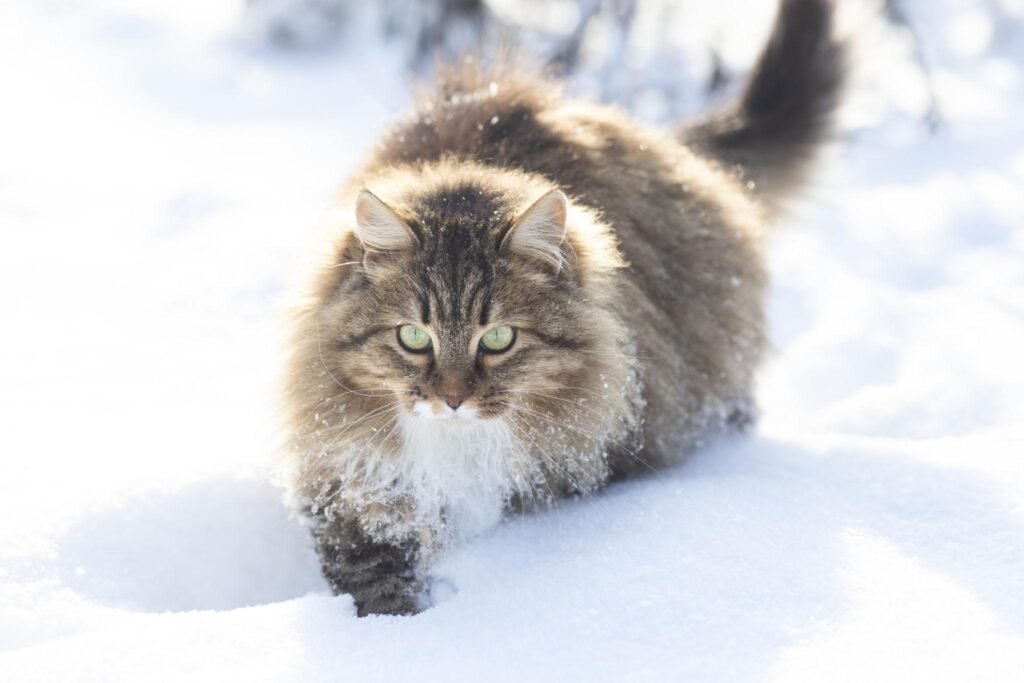
Siberian cats are one of those cat breeds that look royal at first glance but act like a warm family friend once they settle into your home. With their thick fluffy coat, strong body, sweet face, and playful nature, it is easy to see why more cat lovers are searching for Siberian cats today.
Many people hear about this breed because of one big claim: Siberian cats are often called hypoallergenic. That makes them especially popular with families who love cats but worry about allergies. But there is more to this breed than a soft coat and allergy talk.
A Siberian cat can be loyal, clever, social, and surprisingly dog-like. They enjoy being around people, following family members from room to room, and joining daily life without being too demanding. Before buying or adopting one, it is important to understand their personality, grooming needs, price, health, size, and whether they are truly the right fit for your home.
What Are Siberian Cats?
Siberian cats, also known as Siberian Forest cats, are a natural cat breed from Russia. They developed in a cold climate, which explains their strong body and thick triple coat. These cats were built by nature to handle harsh weather, but today they are loved as calm, friendly, and beautiful indoor companions.
The Siberian cat breed is medium to large in size. They usually have a muscular body, rounded features, strong legs, and a full bushy tail. Their coat is one of their most famous features. It is dense, semi-long to long, and often looks even fuller in winter.
Unlike some delicate-looking long-haired cats, Siberians feel solid and powerful. They may look like cuddly teddy bears, but they are athletic jumpers and active explorers. This mix of beauty, strength, and affection makes them stand out from many other cat breeds. According to the official Siberian cat breed profile, Siberians are strong, slow-maturing cats with a dense seasonal coat.
Siberian Cat Personality
The Siberian cat personality is one of the main reasons people fall in love with this breed. Siberians are friendly, loving, and social without being overly clingy. They often enjoy attention but do not usually demand it every minute of the day.
Many owners describe Siberian cats as dog-like. They may greet you at the door, follow you around the house, play fetch, or come when called. They are intelligent cats and enjoy puzzles, climbing trees, feather toys, and interactive play.
Siberian cats are also known for being gentle with families. When properly socialized, they can do well with children, other cats, and even cat-friendly dogs. They are playful but usually not wild in a stressful way. Their calm confidence makes them a good choice for homes that want an affectionate but balanced pet.
That said, every cat has its own personality. Some Siberians are bold and talkative. Others are quiet and relaxed. A good breeder or rescue can help match you with a cat whose temperament fits your lifestyle.
Are Siberian Cats Hypoallergenic?
One of the most searched questions is, “Are Siberian cats hypoallergenic?” The honest answer is: Siberian cats may be better for some allergy sufferers, but no cat is completely hypoallergenic.
Cat allergies are often linked to a protein called Fel d 1. This protein is found in a cat’s saliva, skin glands, and other secretions. When a cat grooms itself, the allergen can spread onto the fur and later into the home environment.
Some Siberian cats are believed to produce lower levels of Fel d 1 compared with many other breeds. This is why allergy-sensitive cat lovers often look for Siberian kittens. However, allergen levels can vary from cat to cat. One Siberian may cause fewer symptoms, while another may still trigger sneezing, itchy eyes, or asthma symptoms.
If allergies are a serious concern, spend time with the specific Siberian cat before bringing it home. Ask the breeder if they do allergen testing, and speak with your doctor if your allergy is strong. Do not rely only on the word “hypoallergenic.”
Siberian Cat Size and Appearance
Siberian cats are usually medium to large cats. Males are often bigger than females, and the breed can take several years to reach full maturity. They have a strong, rounded body, broad chest, powerful legs, and a thick neck.
Their face is sweet and rounded, with expressive eyes and medium-sized ears. Their tail is full and fluffy, often adding to their wild forest-cat look.
The Siberian cat coat comes in many colors and patterns. You may see brown tabby, silver tabby, black, blue, red, cream, white, tortoiseshell, and many mixed patterns. One popular colorpoint variety is called the Neva Masquerade Siberian cat. These cats have lighter bodies with darker points on the face, ears, legs, and tail, similar to Siamese-style coloring.
Their coat changes with the seasons. In colder months, it becomes fuller and thicker. In warmer months, they may shed more as they lose part of that heavy coat.
Siberian Cat Grooming Needs
Because Siberian cats have a thick triple coat, grooming matters. The good news is that their coat does not always mat as easily as some other long-haired breeds, but it still needs regular care.
Brush your Siberian cat at least once or twice a week. During heavy shedding seasons, you may need to brush more often. This helps remove loose hair, prevent mats, reduce hairballs, and keep the coat clean.
Focus on areas where tangles can form, such as behind the ears, under the legs, around the chest, and near the tail. A metal comb and slicker brush can both be helpful.
Siberian cat grooming should also include nail trimming, ear checks, and dental care. Like all cats, they benefit from regular vet visits and a clean indoor environment.
Siberian Cat Price
Siberian cat price can vary depending on location, breeder quality, pedigree, coat color, demand, and whether the kitten comes from tested parents. In many places, Siberian kittens from reputable breeders can be expensive compared with common domestic cats.
A lower price is not always a good deal. Responsible breeders invest in health testing, proper socialization, clean housing, vaccinations, quality food, and safe breeding practices. Cheap listings may come from backyard breeders or scams.
When checking Siberian kittens for sale, ask important questions:
- Are the parents health tested?
- Can I meet the kitten or see live video?
- Is there a written contract?
- Are vaccinations and vet checks included?
- What happens if the kitten has a health issue?
- Is the breeder registered with a known cat association?
You can also look for Siberian cat rescue groups. Adoption may cost less than buying from a breeder, and it gives a cat a second chance at a loving home.
Siberian Cat Health and Lifespan
Siberian cats are generally considered a strong and healthy breed, but they still need proper care. A healthy Siberian cat can often live into the teens with good food, regular vet care, safe indoor living, and daily attention.
Like many cat breeds, Siberians can be at risk for certain health issues. One condition to be aware of is hypertrophic cardiomyopathy, also called HCM. This is a heart disease that can affect cats. Responsible breeders may screen breeding cats to reduce risk.
Good care starts with regular veterinary checkups. Keep vaccines updated, control parasites, feed a balanced diet, and watch for changes in appetite, weight, breathing, litter box habits, or energy levels.
Siberians are active cats, so they also need exercise. Cat trees, climbing shelves, tunnels, puzzle feeders, and daily play can help keep them fit and happy.
Are Siberian Cats Good Family Pets?
Yes, Siberian cats can make excellent family pets for the right home. They are affectionate, playful, and social. Many do well with respectful children because they are sturdy and patient. Still, children should be taught how to handle cats gently.
Siberians often enjoy being part of family activity. They may sit nearby while you work, follow you into the kitchen, or sleep close to you at night. They are not usually the type of cat that wants to be ignored all day.
If your home is empty for long hours, consider whether you can provide enough attention and enrichment. Some Siberians may do better with another friendly pet for company.
Siberian Cat vs Maine Coon
People often compare the Siberian cat vs Maine Coon because both are large, fluffy, and friendly breeds. While they share some similarities, they are not the same.
Maine Coons are usually larger overall and have a longer rectangular body. Siberian cats tend to look more rounded and compact but still strong. Maine Coons often have a shaggy coat and large ears with strong lynx tips. Siberians have a dense triple coat and a softer rounded look.
In personality, both breeds can be affectionate and social. Maine Coons are often called gentle giants, while Siberians are known for being playful, athletic, and loyal. The better choice depends on your space, grooming comfort, budget, and the individual cat’s temperament.
What to Feed a Siberian Cat
Siberian cats need high-quality cat food that fits their age, weight, and health needs. Kittens need kitten food for growth. Adults need balanced adult cat food. Senior cats may need a diet that supports aging joints, digestion, or kidney health.
Because Siberians are active and muscular, protein is important. Choose food made for cats, not dogs, and avoid overfeeding. Even active cats can gain weight if portions are too large.
Fresh water should always be available. Some cats drink more when given a water fountain. Wet food can also help add moisture to the diet.
Should You Get a Siberian Kitten or Adult Cat?
Siberian kittens are adorable, playful, and easier to train into your routine from the beginning. But they also need more time, patience, and supervision. Kittens climb, chew, scratch, and explore everything.
Adult Siberian cats can be a great choice if you want a calmer pet with a known personality. With adults, you can often see right away whether the cat is shy, confident, cuddly, or independent.
Both options can be wonderful. The right choice depends on your home, schedule, and experience with cats.
Tips Before Bringing a Siberian Cat Home
Before bringing home a Siberian cat, prepare your space. Buy food and water bowls, a litter box, scratching posts, grooming tools, a carrier, toys, and a cozy bed.
Make one quiet room for the first few days. This helps your new cat feel safe. Let them explore slowly. Do not force cuddles. Siberians are friendly, but they still need time to trust a new environment.
Also protect your furniture and plants. Siberians are curious and athletic. A tall cat tree can help give them a proper place to climb instead of using shelves or curtains.
Final Thoughts
Siberian cats are beautiful, loving, intelligent, and full of personality. They are one of the best cat breeds for people who want a social companion with a natural, majestic look. Their thick coat, strong body, and playful spirit make them special, but they also need real care.
Before choosing a Siberian cat, think about grooming, price, allergies, space, and long-term responsibility. Do not choose this breed only because you heard it is hypoallergenic. Choose it because you are ready for an active, affectionate cat that wants to be part of your daily life.
If you want a loyal family cat with a soft coat, smart mind, and warm heart, Siberian cats may be the perfect match.
FAQs About Siberian Cats
Are Siberian cats really hypoallergenic?
Siberian cats are often called hypoallergenic because some may produce lower levels of the Fel d 1 allergen. However, no cat is completely hypoallergenic. Allergy sufferers should spend time with the cat first.
Do Siberian cats shed a lot?
Yes, Siberian cats do shed, especially during seasonal coat changes. Regular brushing helps control loose hair and keeps the coat healthy.
Are Siberian cats good with children?
Many Siberian cats are gentle, playful, and patient with respectful children. Proper socialization and kind handling are important.
How long do Siberian cats live?
With good care, many Siberian cats live into their teens. Diet, vet care, genetics, and indoor safety all play a role.
Are Siberian cats expensive?
Yes, Siberian kittens from reputable breeders can be costly. The price often reflects health testing, pedigree, care quality, and demand.
Do Siberian cats like water?
Some Siberian cats are curious about water and may play near sinks or bowls. This does not mean every Siberian enjoys baths, but many are less afraid of water than some other cats.